When your London business retires computers or storage media, agree how each device will be tracked from collection through to erasure or destruction. Ask what happens to failed drives, how results are checked and what evidence you will receive.
Use this checklist to compare providers and prepare your equipment list. For collection arrangements and reporting options, see our secure data destruction service. For wider equipment collections, visit our London computer and IT recycling page.
Start with an inventory of the storage media
List the equipment you intend to release, its location and whether it starts or can be accessed. Include loose hard drives, SSDs, backup tapes and storage inside servers and other devices. Record asset tags or serial numbers where your organisation needs an item-by-item audit trail.
Before authorising disposal, confirm internally which records must be retained, which backups are needed and who can approve the work. Identify any leased equipment so the agreed treatment fits the owner’s return requirements.
Ask how the treatment is chosen and verified
A provider should explain which method is suitable for your media and requirements, and how it checks the result. NCSC guidance covers choosing appropriate sanitisation methods and verifying their success. Read the NCSC storage media guidance when setting your requirements.
- Erasure for intended reuse. Ask which process is proposed for each media type, what the report records and how unsuccessful attempts are handled.
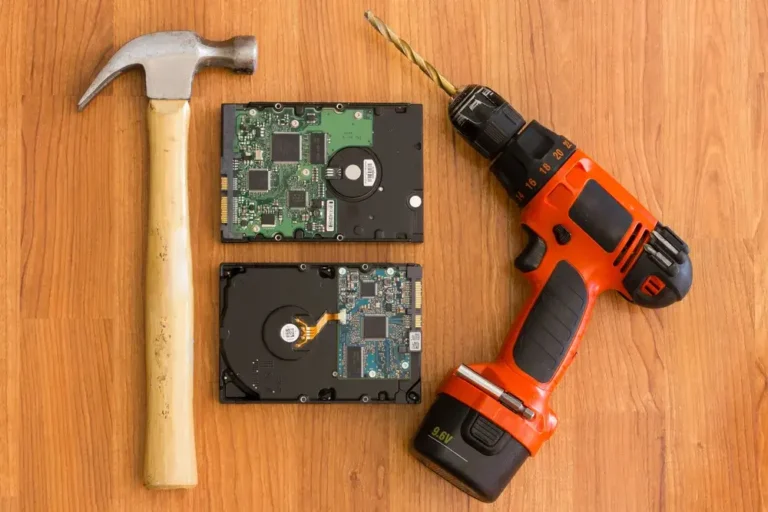
- Physical destruction. Ask which equipment and process are used for your media, where destruction takes place and how items are reconciled with your inventory. See our hard drive shredding service for physical destruction enquiries.
- Damaged or unreadable media. Flag these items before booking and agree the alternative treatment and any additional charges.
Check what a provider’s certification covers
Ask for the name of each certification, its current certificate and the activities and sites within its scope. Ask who will perform collection and treatment, including any subcontractors. Match those answers to your procurement requirements and the proposed work.
Request a sample report and written description of the process. Confirm what evidence is available for your particular job and who will answer questions about exceptions.
Plan access and handover at your London premises
Give the provider your collection postcode, quantities and access details. City offices may have booked loading bays, time-limited access, lifts shared with other tenants or security desks that need driver details in advance. Agree who will release the equipment and sign the handover record.
Keep the equipment in an access-controlled area until handover. Ask how the load is identified, transported and received at the treatment site, and how the provider records any discrepancy. If you need on-site work or witnessing, confirm availability, site requirements and costs before booking.
Agree the paperwork before collection
Ask whether the following are included in your quote and how they will be delivered:
- A collection or handover record with the equipment quantities and any agreed identifiers.
- An asset report where serial-number tracking is required.
- Erasure results or destruction records showing the agreed treatment and any exceptions.
- A Certificate of Destruction for the processed media, with the identifiers or job reference needed to reconcile it to your records.
- Waste transfer documentation appropriate to the collection.
The ICO recommends keeping secure disposal records and checking that destruction certificates match the equipment sent for destruction. Assign someone in your organisation to reconcile the report and resolve missing items or failed treatments. See the ICO guidance on disposal and deletion.
Compare quotes using the same equipment list
Give each provider the same quantities, media types and reporting requirements. Ask which charges cover collection, treatment, asset logging, certificates and any specialist access or witnessing. For several offices, agree how the collections and reports will be grouped.
Confirm the proposed collection date, expected reporting time and the contact responsible for following up any exceptions. Keep the written scope with your disposal records.
Questions to ask before you book
Can working computers be reused after data treatment?
Ask whether reuse is appropriate for the equipment and your information security requirements. If reuse is intended, agree the erasure process, verification and treatment of devices that fail it.
What should a destruction certificate identify?
Agree the fields you need before collection. Ask how the certificate identifies your organisation, the job, the treatment date and method, and the media or supporting asset list. Confirm how you can trace individual items where that is required.
Can we arrange a collection across several London offices?
Provide the site postcodes, quantities, access restrictions and reporting requirements. Ask for a coordinated schedule and confirm whether each site needs separate handover records and reports.
Arrange the next step
Send your media list, quantities, London postcode and reporting requirements through our data destruction service page. We can confirm the available collection and treatment options and agree the scope before you book.