
Frequently Asked Questions
Top Questions:
Who are Computer Waste Recycling (CWR)?
CWR handles collection and processing with its own DBS-vetted team rather than third parties, and works with households as well as businesses, schools and public-sector organisations. See how our IT recycling process works.
Which areas of the UK do you cover?
Find local information for London, Leicester, Birmingham, Bristol, Cambridge and Peterborough. If your area isn’t listed, send us your postcode — we collect nationwide.
Is computer recycling free?
Computer recycling with CWR can be free when your equipment has enough reuse value or the quantity makes the collection viable. Smaller or low-value collections may carry a charge to cover transport, handling and recycling — and we always confirm any charge before you book.
Whether a collection is free depends on:
- the type and quantity of equipment
- its age, specification and condition
- your collection location
How do I find out whether my collection will be free?
Send CWR your postcode and a list or a few photos of your equipment. Our team will review it and confirm whether the collection is free, whether a charge applies, or whether your equipment could qualify for a buyback or rebate after inspection. Contact our team to get started.
Is there a minimum quantity for collection?
No — CWR has no minimum quantity, and no collection is too small. We collect anything from a single laptop or desktop computer to hundreds or thousands of IT assets. Smaller or low-value collections may be chargeable, depending on your location and the equipment involved.
Do you collect computers from households?
Data-bearing devices from your home — such as laptops, desktop PCs and hard drives — go through secure data destruction before they are reused or recycled.
How quickly can you collect our IT equipment?
If you have a fixed deadline — an office move, closure or IT refresh — tell us when you enquire and we’ll do our best to accommodate it.
Do you use third-party collection or processing companies?
No. CWR does not outsource collection or processing to third parties. Our own team collects your equipment and handles it through to processing, which gives you a clear chain of custody and full visibility of who is handling your equipment and data.
Who will collect our equipment?
Your equipment is collected by CWR’s own staff. Our collection team is DBS-vetted and attends in CWR uniform, so you can clearly identify who is handling your equipment. The team follows CWR’s collection and handling procedures from your premises through to processing.
Can I drop off equipment instead of booking a collection?
Yes. You can drop off IT equipment at CWR’s Leicester site
46 Jellicoe Road, Leicester LE5 4FN by appointment. Please contact us before you travel so we can book a time and confirm any processing, data destruction or drop-off charges.
More about computer recycling in Leicester.
How should I prepare equipment for collection?
You don’t need to do much before a CWR collection. To help things run smoothly:
- keep the equipment together in a secure area until it is collected
- leave hard drives and SSDs inside devices unless your policy requires removal
- where you can, sign out of accounts such as Apple ID (Find My), Google and Microsoft, and release devices from any mobile device management (MDM) system — this allows working equipment to be reused
- tell us about access, parking, stairs or lift restrictions
- share any data destruction, witnessing or reporting requirements in advance
What IT equipment do you collect?
CWR collects and recycles most types of IT and electrical equipment, working or not, including:
- laptops and MacBooks
- desktop computers, PCs and all-in-ones
- servers, storage and networking equipment such as switches and routers
- hard drives and SSDs
- mobile phones, tablets and iPads
- monitors, screens and interactive displays
- printers and UPS units
- phone systems, including PBX and VoIP handsets
- docking stations, keyboards, mice, cables and accessories
- other electrical and electronic equipment
Not sure about an item? Send us a photo and we’ll confirm. See our computer recycling service for more detail.
Does equipment need to be working?
No. CWR collects working and non-working IT equipment, including faulty, damaged and obsolete devices. Working or repairable equipment may be securely wiped, tested and prepared for reuse; equipment at the end of its life is recycled so materials can be recovered.
Do you recycle old laptops and MacBooks?
Yes. CWR collects old, redundant, damaged and unwanted laptops — including Windows laptops, Chromebooks and Apple MacBooks — from households, businesses, schools and other organisations. Every data-bearing laptop goes through secure data destruction before reuse or recycling. Learn more about laptop recycling.
Do you recycle servers and networking equipment?
Yes. CWR collects and processes servers, switches, routers, storage equipment and other networking hardware. We also support server-room clearances and IT infrastructure replacement projects, with secure data erasure or physical destruction of drives where required.
What happens to the data on our old computers?
Simply deleting files or resetting a computer is not the same as securely destroying the data. See our secure data destruction service.
Do I need to wipe or factory reset devices before collection?
If your internal policy requires you to wipe devices first, you can still do so — it just doesn’t replace documented data destruction.
What is the difference between data wiping and hard drive shredding?
Shredding is usually chosen when a drive has failed, holds highly sensitive information or your policy requires storage media to be destroyed. Wiping is usually chosen when you want working equipment to be reused or resold.
What happens if a hard drive cannot be wiped?
If a storage device cannot be successfully erased, CWR never passes it on for reuse with data still present. Instead, the device is physically destroyed through the appropriate destruction process.
Can you shred hard drives?
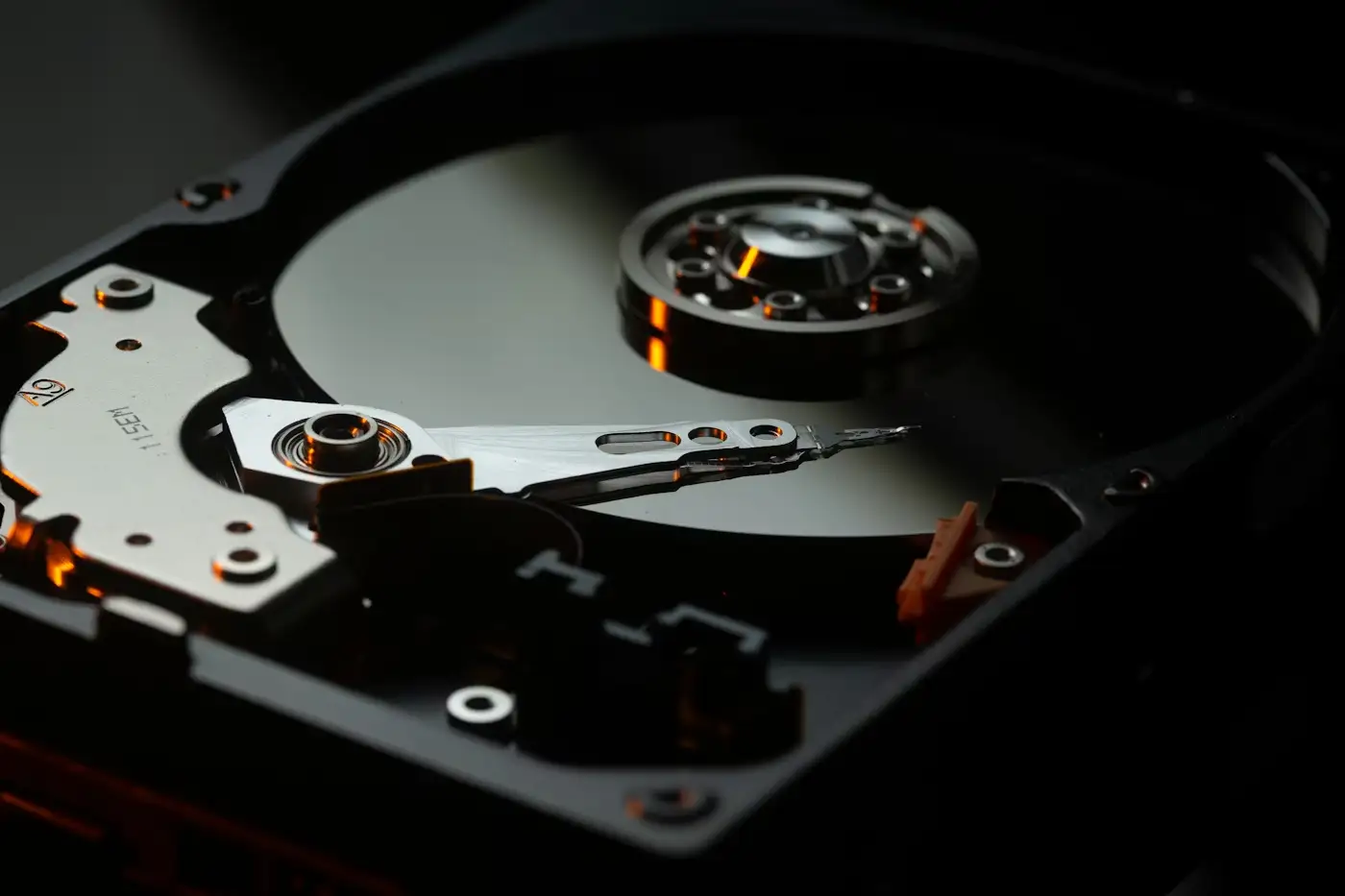
Yes. CWR provides secure physical destruction of hard drives, SSDs and other storage media. Shredding can be arranged as part of an IT collection or as a standalone service. Learn more about hard drive shredding.
Do you offer onsite hard drive destruction?
Yes. CWR can destroy hard drives and other storage media at your premises, so sensitive devices are destroyed before they leave your site. See onsite data destruction.
Can we witness our hard drives being destroyed?
Yes. CWR can arrange witnessed data destruction if your security policy requires an authorised representative to see the process. Tell us when you request a quote so we can plan the right service.
Do we need to remove hard drives before collection?
Normally, no. You can leave hard drives and other storage devices inside the equipment unless your organisation’s policy requires them to be removed first. Keeping drives with the original equipment also helps maintain a clearer asset audit trail.
What documents will I receive after collection?
After a collection, CWR provides the paperwork you need to show your equipment and data were handled correctly. Depending on the service, this can include:
- a Certificate of Data Destruction for data-bearing equipment
- a Waste Transfer Note for waste electrical and electronic equipment (WEEE)
- a serial-numbered asset report, where required
These records support your internal audit, information-security and environmental compliance. See audits and reporting.
Do you provide a Certificate of Data Destruction?
Yes. When CWR carries out data destruction, we can issue a Certificate of Data Destruction confirming that your data-bearing equipment has been processed through the agreed method. It gives your organisation a record for audits, information-security reviews and compliance.
Can you provide serial-numbered asset reports?
Yes. CWR can provide detailed asset reports where required. Depending on the service, reports can include device type, manufacturer, model, serial number, asset tag, condition and processing outcome.
Do you provide a Waste Transfer Note?
Yes. CWR provides a Waste Transfer Note, or other appropriate waste documentation, for collections of waste electrical and electronic equipment. It records the transfer of your waste to a registered waste carrier and helps you show you have met your duty of care.
How does CWR help with UK GDPR?
CWR is registered with the Information Commissioner’s Office (ICO).
Can businesses put old computers in the bin?
CWR is an Environment Agency registered waste carrier and provides the documentation you need. At home, electricals marked with the crossed-out wheelie bin symbol should also be kept out of the household bin and recycled.
What is WEEE, and how does CWR handle it?
WEEE stands for Waste Electrical and Electronic Equipment — most items with a plug or battery that have reached the end of their use, including computers, laptops, phones and monitors. CWR manages WEEE through reuse and recycling: equipment that can be safely reused is data-wiped and given a second life, and equipment that can’t is recycled so materials can be recovered.
What certifications and accreditations does CWR hold?
View and download copies on our certificates and accreditations page.
Do you provide IT recycling for businesses?
Yes. CWR works with organisations of every size, from small local businesses to companies disposing of large volumes of IT equipment. We support one-off clearances, regular IT disposal, office moves, hardware upgrades, closures and IT refresh programmes. See commercial computer recycling.
Do you provide computer recycling for schools?
Yes. CWR helps schools, academies, colleges and other education providers dispose of redundant IT equipment securely, including laptops, PCs, monitors, tablets, interactive screens, servers and networking equipment. Secure handling and data destruction are especially important where devices may hold information about pupils, parents or staff.
Can you handle large IT clearances?
Yes. CWR manages projects involving large quantities of mixed IT equipment. Before collection, we’ll discuss access, quantities, loading, security requirements and the level of asset reporting you need.
Can you collect from multiple locations?
Yes. CWR’s nationwide service supports organisations with equipment across several offices, schools or sites, and collections can be coordinated as part of a wider IT refresh, relocation or disposal project. For ongoing tracking of devices across sites, see IT asset management.
What is the difference between computer recycling and IT asset disposal (ITAD)?
Computer recycling focuses on collecting old equipment and recovering its materials responsibly. IT asset disposal (ITAD) is the wider process: secure collection, data destruction, asset reporting, reuse or resale, and recycling — with documentation at each stage. CWR provides both, so you can choose the level of service and reporting you need.
- Ready to book?
Book computer recycling UK support with proper data handling
Whether you need IT recycling London, data destruction London, hard drive shredding London, WEEE recycling London, or server recycling London, the job can be planned clearly from the start.