- IT Asset Management
Better IT Asset Management For Modern Businesses
Specialist Commercial Service | Track, Manage, Retire IT Properly
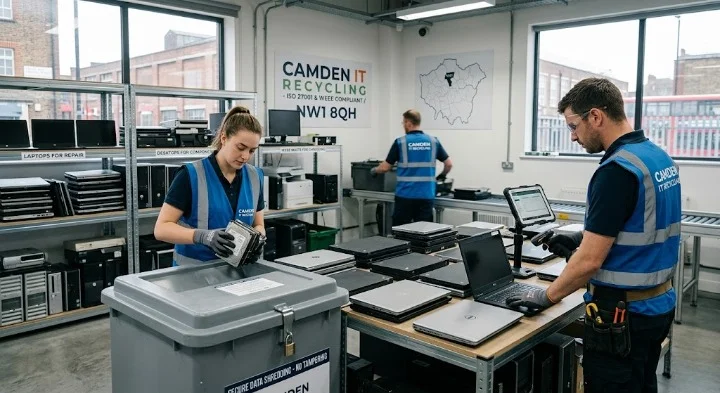
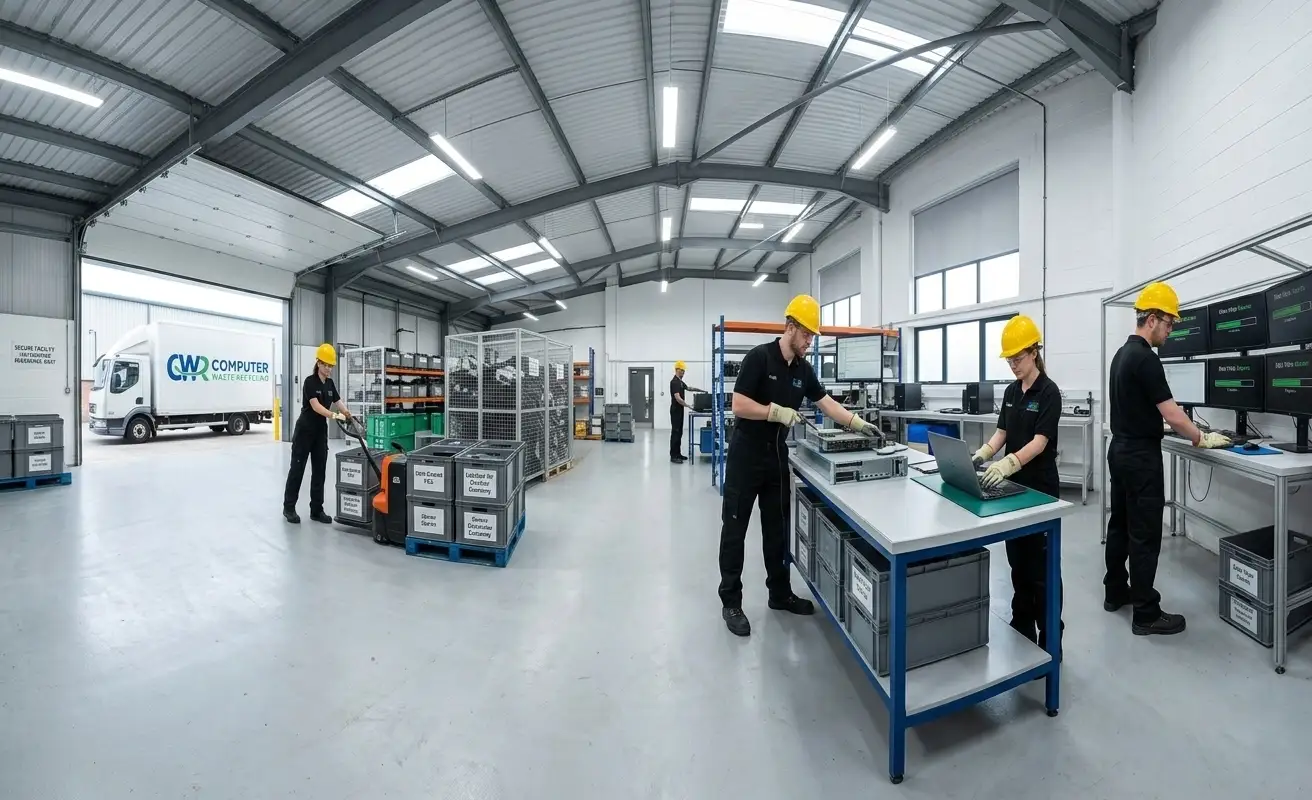
Business equipment needs more than a basic inventory list. Computer Waste provides a commercial IT Asset Management service that helps businesses keep control of their hardware, monitor where assets are, understand their condition, manage them through daily use, and deal with old equipment safely when it is time to replace it.
- Commercial Business Only
- Real-Time Asset Tracking
- Secure Data Handling
- Responsible End-of-Life Routing
Built for better
control of business IT
We help businesses maintain a clear view of owned equipment, usage locations, asset condition, and the next required actions through structured asset tracking, lifecycle management, secure handling of data-bearing devices, and responsible recycling for equipment that is no longer viable to retain.
Know what you have
We help businesses maintain accurate records of desktops, laptops, servers, mobile devices, and supporting IT hardware through structured asset tracking and inventory management.
Manage the full device life
From rollout and daily use to maintenance, upgrades, storage, collection, and retirement, the focus stays on keeping assets under control.
Good ITAM stops waste before it starts
When a business loses track of equipment, it usually ends up overspending, duplicating purchases, missing warranty value, or leaving old devices unmanaged. Proper ITAM fixes that before it becomes expensive.
Equipment included in
IT asset management
We provide asset management and tracking across the main hardware categories commonly used within commercial IT environments and business infrastructure.
Computers
Desktop hardware can be tracked, reviewed, and managed through every stage of use.
Laptops
Ideal for managing user-assigned devices, movement between staff, and upgrade planning.
Hard Drives
Important for storage records, data security checks, and secure retirement when devices leave service.
Printers
Office hardware like printers should be included in the same control process as core IT equipment.
Monitors
Display hardware often gets overlooked, but it still needs tracking, condition checks, and end-of-life planning.
Servers
Server infrastructure needs tighter oversight because it carries more operational and security risk.
Mobile Phones
Business mobile devices should be managed with the same discipline as laptops and desktops.
UPS Systems
Power-support equipment also needs recording, maintenance history, and disposal planning.
Networking IT Hardware
Switches, routers, and supporting network hardware should sit inside the same reporting and control process.
How IT asset
management service works
We focus on improving asset visibility, operational control, data security, and responsible handling when equipment reaches the end of its usable lifecycle.
Real-time asset tracking
Businesses get a clearer view of what equipment they own, where it is being used, and how it moves across teams or sites.
Lifecycle management
Assets are managed from deployment through maintenance, upgrades, collection, storage, replacement, and final retirement.
Green IT solutions
Devices that still hold value can be reused or recycled properly, helping reduce waste and keep disposal standards professional.
Data protection at every stage
Sensitive information is dealt with securely before equipment is reused, removed, recycled, or destroyed.
Why IT asset management matters
Many businesses only pay attention to hardware when something breaks, goes missing, or needs replacing. That is too late. Strong ITAM keeps the business ahead of those problems instead of reacting after the damage is done.
Better records, better buying, better control
A proper IT asset management setup helps a business make better buying decisions, track equipment more accurately, keep clearer user and location history, and avoid losing control of warranties, lease terms, and supplier information.
Spend budget with more sense
The business is less likely to buy equipment it already owns or replace devices before it needs to.
Track hardware and history
Tagging, movement records, user history, and condition tracking all make day-to-day management easier.
Keep contracts and warranties under control
Vendor details, agreements, warranties, and lease records stay tied to the correct asset instead of getting buried in emails.
Frequently asked questions
These are the main questions businesses usually ask before putting a proper IT asset management process in place. Chat to our friendly team!
What is IT asset management?
IT asset management is the process of tracking, maintaining, reviewing, and retiring business IT equipment in a controlled way. It helps a company understand what assets it owns, where they are, who is using them, and what should happen to them next.
Why is IT asset management important for businesses?
What types of IT assets can be managed?
The service can cover computers, laptops, servers, hard drives, monitors, printers, phones, UPS systems, and networking hardware used by a business.
How does IT asset management support data security?
It helps businesses keep track of where data-bearing devices are, who has used them, and when they need to be wiped, collected, destroyed, or securely recycled. That lowers the chance of old devices leaving the business without proper control.
Can IT asset management help with IT disposal and recycling?
Yes. A strong ITAM process should include a clear route for retiring old equipment, including secure data destruction where needed and responsible recycling or reuse where possible.
Do you deal with household customers?
No. This is a commercial service built for businesses that need proper control of their IT estate.
TRUSTED BY
THOUSANDS
Businesses use CWR for commercial IT asset visibility, lifecycle control, secure device retirement, and better reporting.
4.9/5
Average Rating
- Ready to get control back?
Book commercial IT asset management with clear oversight
Whether you need stronger inventory visibility, better lifecycle control, safer disposal planning, or cleaner asset records, the process can be planned properly from the start.