
Introduction
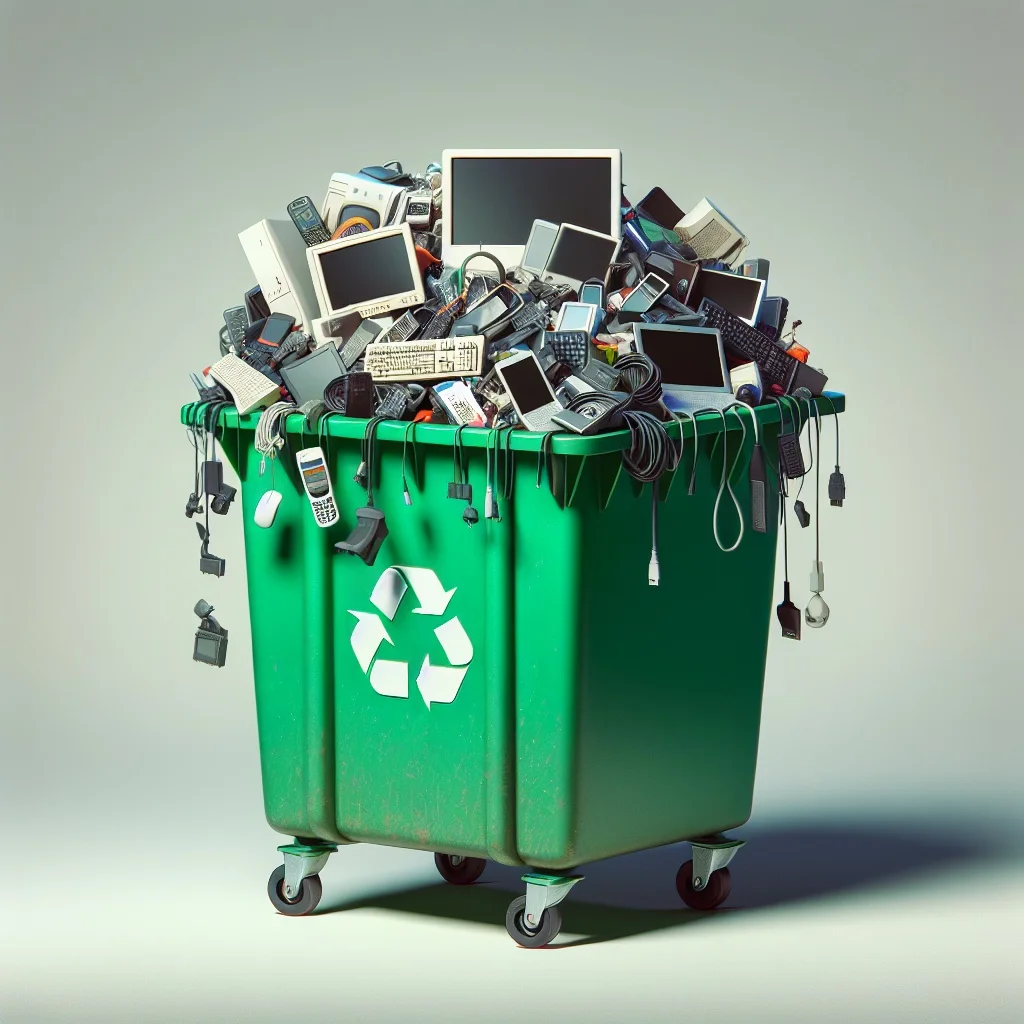
One of the e-waste recycling streams with the fastest rate of growth worldwide is e-waste, or electronic garbage. Improper e-waste disposal endangers ecosystems, public health, and valuable resources, ranging from obsolete cellphones to discarded household goods. However, this difficulty can be turned into a chance to build a more sustainable and clean future with appropriate e-waste management.
This guide explores everything you need to know about e-waste recycling, proper disposal methods, and eco-friendly management practices. Whether you’re searching for “e-waste recycling near me” or curious about reducing electronic waste, you’ll find actionable tips and cutting-edge insights here.
What Is E-Waste?
Definition and Examples
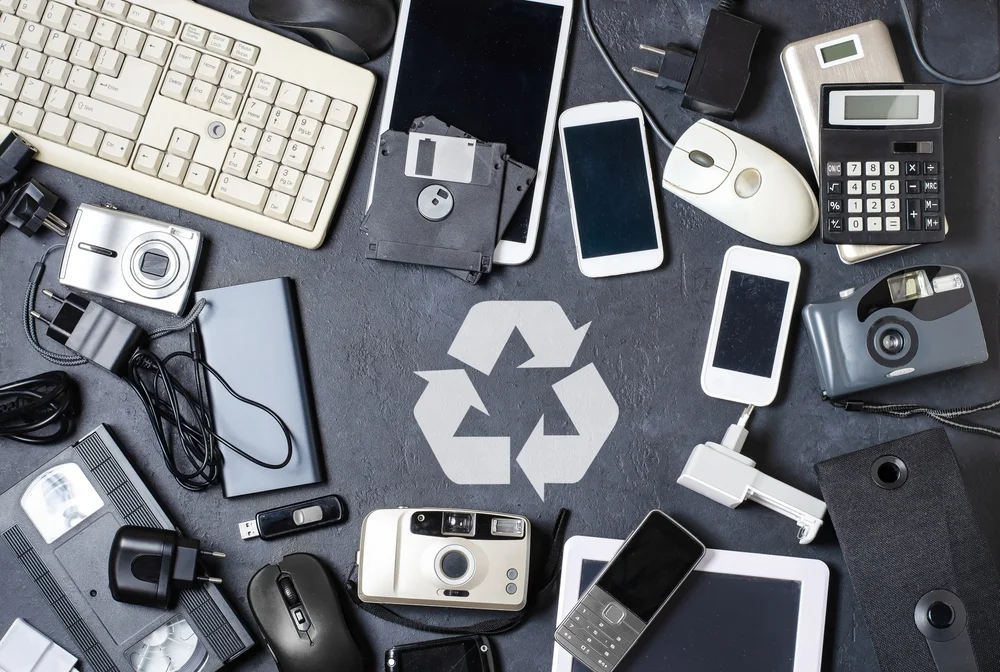
E-waste includes any discarded electronic product or device, such as:
- Consumer electronics: smartphones, laptops, tablets.
- Household appliances: refrigerators, microwaves, air conditioners.
- Office equipment: printers, servers, monitors.
Alarming E-Waste Statistics
- In 2023, over 50 million metric tons of e-waste were generated globally.
- Less than 20% of e-waste is recycled through certified programs.
Environmental and Health Impacts
- Soil and Water Pollution: Toxic materials like lead and cadmium leach into the ground and water.
- Air contamination: burning e-waste releases harmful toxins into the atmosphere.
- Health risks: Prolonged exposure to e-waste increases the risk of cancer, respiratory issues, and neurological disorders.
Why Is E-Waste Management Important?
Key Benefits
- Environmental Protection: Prevents hazardous materials from polluting natural ecosystems.
- Resource Conservation: Recovered metals like gold and copper can be reused in manufacturing.
- Economic Impact: The e-waste recycling industry creates jobs and supports sustainable growth.
Compliance with E-Waste Disposal Regulations
Governments worldwide have introduced laws to regulate e-waste:
- WEEE Directive (EU): Mandates the collection and recycling of e-waste.
- EPA Standards (USA): defines strict guidelines for hazardous electronic waste disposal.
Noncompliance can result in heavy fines and penalties.
The E-Waste Recycling Process
Step-by-Step Recycling Process
- Collection and Sorting: E-waste is gathered from drop-off points and sorted by type.
- Dismantling: Devices are disassembled to separate components like batteries, circuit boards, and plastics.
- Material Recovery: Valuable materials such as metals and rare earth elements are extracted.
- Shredding and Processing: Non-reusable parts are shredded for recycling into raw materials.
Innovations in Recycling
- AI-Driven Sorting: Speeds up the recycling process and improves accuracy.
- Advanced Smelting: Extracts high-quality metals with minimal waste and emissions.
Challenges in the Process
- Informal recycling methods in developing countries harm both the environment and human health.
- Lack of access to certified e-waste recyclers in many regions.
How to Properly Dispose of E-Waste
Best E-Waste Disposal Methods
- Donate reusable electronics: Many charities and organizations accept functional devices.
- Certified E-Waste Recycling Centers: Look for facilities with recognized certifications like R2 or e-Stewards.
- Trade-In Programs: Brands like Apple, Dell, and Samsung offer programs to exchange old electronics for discounts.
- Community collection drives: participate in local events focused on collecting e-waste.
DIY E-Waste Disposal Tips
- Data Security: Remove personal data from devices before recycling.
- Component Separation: Detach batteries and cables for appropriate handling.
Finding Services Near You
Use search terms like “e-waste recycling centers near me” to locate trusted facilities.
Best Practices for Sustainable E-Waste Management
Tips for Reducing Electronic Waste at Home
- Repair Over Replace: Fix your devices instead of discarding them.
- Buy Sustainable Electronics: Opt for products designed to last or be easily recycled.
- Reuse and Repurpose: Turn old devices into secondary gadgets like media players.
- Dispose Smartly: Partner with e-waste recycling programs or collection drives.
Business E-Waste Management Solutions
- Implement clear e-waste disposal policies.
- Train employees on responsible e-waste practices.
- Collaborate with certified recyclers to manage outdated hardware.
Innovations and Future of E-Waste Recycling
Emerging Trends in E-Waste Recycling
- Circular Economy Initiatives: Emphasize reuse and recycling to reduce dependency on raw materials.
- Green Technology: Solar-powered recycling facilities are reducing carbon footprints.
- E-waste recycling certification programs: ensure ethical and environmentally friendly processes.
Global Partnerships and Policies
- Basel Convention: Prevents hazardous e-waste from being exported to developing countries.
- Global E-Waste Monitor: Tracks worldwide e-waste data to inform better policies.
The Future of E-Waste Management
- AI-Powered Solutions: Streamline sorting and recovery.
- Increased Consumer Awareness: More individuals embracing sustainable practices.
Call to Action
The Global e-waste crisis requires collective action. You can make a difference today by:
- Recycling your old electronics responsibly.
- Encourage friends, family, and businesses to adopt eco-friendly e-waste practices.
- Supporting local e-waste recycling programs.
Together, we can create a healthier planet and a sustainable future.
Conclusion
E-waste recycling, Computer waste recycling To protect our world, management and disposal are essential. We can lessen the negative effects of e-waste on the environment and save valuable resources by implementing sustainable practices. Let’s act now to transform this worldwide issue into a chance for a cleaner, greener future.
FAQs About E-Waste Recycling
1. What is the best way to recycle e-waste?
The best way is to use certified e-waste recyclers, donate functional devices, or participate in local collection drives.
2. Why is e-waste recycling important?
It protects the environment, recovers valuable resources, and prevents toxic materials from contaminating ecosystems.
3. How can I find an e-waste recycling center near me?
Search online for “electronics recycling centers near me” or check municipal waste management websites.
4. What happens to e-waste after it’s recycled?
E-waste is dismantled, sorted, and processed to recover valuable materials like metals, plastics, and glass for reuse.
5. Are there risks in not properly disposing of e-waste?
Yes, improper disposal leads to environmental pollution, health hazards, and the loss of recyclable resources.
6. How can I reduce electronic waste at home?
Buy durable products, repair instead of replacing, and donate or recycle old devices responsibly.
Computer Waste Recycling
46 Jellicoe Rd, Leicester LE5 4FN, United Kingdom
03303410785
https://share.google/7GB5WXmK9BdkvanGu